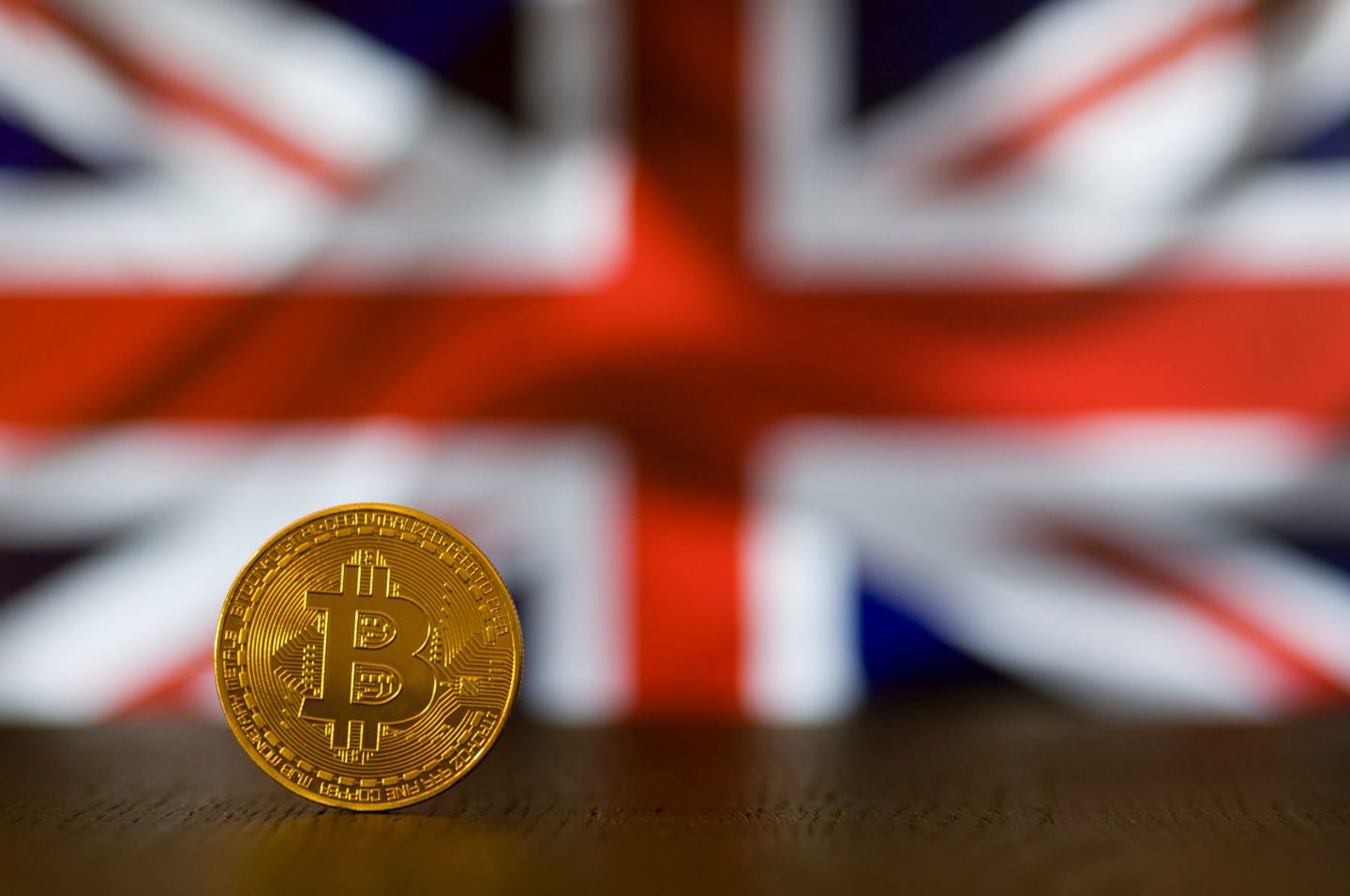
Bet slips in Britain are still priced and settled in pounds, yet three regulators spent 2026 writing rules that could open the door to crypto payments. Before a UK bookmaker takes a coin, you'll want to know what one does to your odds.
At the Betting and Gaming Council's AGM in February, Gambling Commission executive director Tim Miller said he had put crypto payments for licensed gambling in front of the regulator's Industry Forum. Financial regulators moved four months later when the Bank of England set out its stablecoin regime on 22 June 2026. Eight days after that, the Financial Conduct Authority finalised its wider crypto rules ahead of a 25 October 2027 start. Lined up on a calendar, those moves give British punters something close to a timetable for crypto deposits going mainstream at UK bookmakers.
How Crypto Casinos Handle Your Money
Coin-based cashiers already exist, giving a working model of what British bettors might one day see. On BK8.io, deposits go in as Bitcoin, USDT, Ethereum and Litecoin through a wallet address set up for your account, while its FAQ says Bitcoin winnings can go back out in Bitcoin as long as you deposited in it. Slots and live tables come from studios such as Playtech and Pragmatic Play, names UK players will know, so on the games front BK8.io is UK friendly even with a cashier built around coins. Paying out in the deposit currency leaves a win moving with its coin's price until you withdraw, an exposure odds comparison grids don't show.
Where Britain's Regulators Stand
Everyday holders found the biggest change tucked into the Bank of England's June 2026 stablecoin policy statement, with temporary caps on how much one person could hold dropped after consultation. In their place came a £40 billion issuance guardrail per systemic coin, leaving households with no personal ceiling. Deputy Governor Sarah Breeden described the outcome as "truly a world leading regime", with regulated stablecoins cleared to operate in the UK from 2027.
Miller left the timing open when he addressed the AGM, saying, "As a tentative first step, I've asked our Industry Forum to look at how they think this could be progressed sensibly." Trade reports said he pointed to consumer demand. Ownership has narrowed, with FCA consumer research putting it at 8% of UK adults in 2025, down from 12% a year before, while the typical amount held went up.
Over at the FCA, five policy statements published on 30 June covered trading platforms, custody, staking and stablecoin issuance. Applications for authorisation opened on 30 September 2026, giving firms roughly a year to get approved before go-live.
What Coin Prices Do to a Winning Bet
Put £10 on Arsenal at 2.50 (6/4 in fractional terms) and a winner pays £25 in sterling, a figure that stays put once it lands. Staked in Bitcoin, that return floats. Should the coin drop 10% before you withdraw, the £25 slides to around £22.50, the same as being paid at 2.25. Gaining 10% instead lifts it towards 2.75. Odds screens can't show either figure, yet a move that size dwarfs the usual difference between two bookmakers on a Premier League match. Fast withdrawals trim the exposure, though leaving winnings on account over a weekend of fixtures stretches it back out.
Why Sterling Stablecoins Matter for Bettors
Dollar-pegged coins like USDT exist to smooth those swings out. Pegged to the US dollar, they still tie a British punter to the dollar-sterling rate between deposit and cash-out, a far smaller wobble week to week that can trim a return. A sterling coin issued under the Bank's regime would close that loop, putting a crypto stake level with a debit card bet placed the same afternoon.
Calculating True Value on Crypto Bets
Converting the potential return into pounds at the rate you expect on withdrawal gives you a figure to work out implied probability from, the same way you'd treat a sterling price. Network fees come off at both ends, so a 1% charge going in and another coming out takes a 2.50 price to around 2.45.
Because a coin keeps trading after the final whistle, its exchange rate becomes a second line to watch next to the bookmaker's price. Small, regular checks handle that job well, something endurance coaches would recognise. Research on why consistency beats intensity found training frequency predicted marathon performance ahead of isolated hard sessions. A quick sterling conversion on your weekend slips works on the same principle, catching currency drift before it builds up over a season.
Once the FCA regime goes live on 25 October 2027 and sterling stablecoins start circulating, the Commission's Industry Forum will have finished financial rules to work from. Until that happens, the fairest test of a crypto price is what it pays in pounds on the day your money leaves the account.